
Understanding Commodity Markets and Their Role in the Global Economy
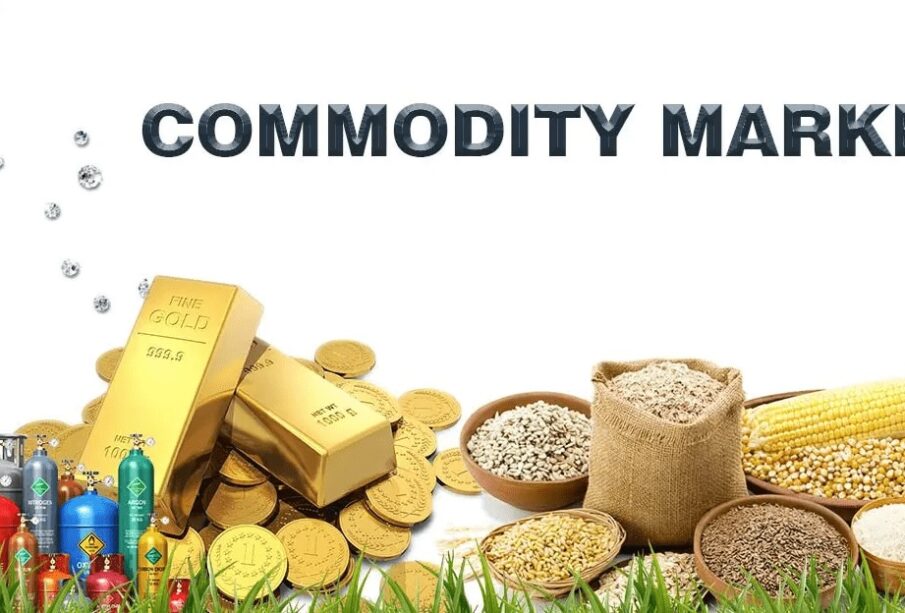
A commodity is a raw material or primary agricultural product that can be bought, sold, and traded on financial and physical markets. These goods are considered the foundation of global trade because they are used to produce everyday products, fuel industries, and support economic development. When discussing the global economy, commodity market trends often serve as signals for inflation, currency shifts, and supply chain stability. Businesses, investors, and governments closely track commodity price fluctuations to guide financial and strategic decisions.
What Defines a Commodity?
A commodity is typically a standardized physical good that is interchangeable with other goods of the same type. This means that one unit of the product is considered equivalent to another unit of the same grade and quality. The interchangeable nature of commodities allows them to be traded efficiently across global markets.
Many essential goods fall under this category, including:
- Crude oil
- Natural gas
- Copper
- Wheat
- Corn
- Livestock
- Gold and silver
Because they are standardized, the value of these products is influenced by global supply and demand rather than individual brand differentiation.
Categories of Commodities
Commodities are generally grouped into several major categories based on their nature and usage.
1. Energy Commodities
Energy products are among the most actively traded. They are essential for electricity generation, transportation, manufacturing, and daily consumption.
Examples include:
- Crude oil
- Natural gas
- Gasoline
- Coal
Energy prices have major impacts on inflation, transportation costs, and consumer prices. When energy costs rise, everything else tends to become more expensive.
2. Metal Commodities
Metals are used in construction, electronics, industrial manufacturing, and jewelry.
Commonly traded metals:
- Gold: Often used as a hedge against inflation and economic uncertainty.
- Silver: Used in electronics, medical equipment, and renewable energy technology.
- Copper: Essential for electrical wiring and construction.
- Platinum: Used in automotive catalytic converters and industrial equipment.
Metal price movements often correlate with industrial growth. For example, rising copper demand can indicate expanding construction and manufacturing activities.
3. Agricultural Commodities
Agriculture forms the backbone of food supply chains globally.
Examples include:
- Corn
- Wheat
- Soybeans
- Coffee
- Sugar
- Cotton
Agricultural prices can be volatile because they are highly affected by weather, climate change, and global food consumption trends.
4. Livestock Commodities
These involve tradable meat and animal-based products.
Examples:
- Live cattle
- Lean hogs
- Feeder cattle
Livestock markets respond to feed costs, disease outbreaks, and consumer diet changes.
Why Commodity Markets Matter
Commodity markets play a critical role in the world economy. They:
- Help producers secure fair prices
- Allow investors to hedge against inflation
- Influence currency strength for exporting countries
- Support budget planning for industries that rely on raw materials
- Enable global trade balance analysis
For example, countries that export oil often rely heavily on oil price levels to plan national budgets.
How Commodity Trading Works
Commodity trading occurs in two main forms:
- Spot markets: Where commodities are bought and sold for immediate delivery.
- Futures markets: Where traders agree today on a price for future delivery.
Futures markets help producers and buyers manage price risk. For instance, a wheat farmer may lock in a future selling price to avoid losses if the market price declines during harvest season.
Commodity Exchanges
Trades often take place on organized exchanges where contracts are standardized. Prices are publicly available, ensuring transparency. These exchanges help stabilize markets and create liquidity.
Participants in Commodity Markets
Several types of actors participate:
- Producers: Companies or individuals who extract or grow raw materials.
- Consumers: Businesses that need commodities for production.
- Investors and traders: Individuals and institutions seeking profit opportunities.
- Governments: Monitoring markets for inflation and national economic stability.
Factors That Influence Commodity Prices
Commodity prices are highly sensitive to external forces.
Supply and Demand
The most fundamental driver. If demand rises faster than supply, prices increase.
Geopolitical Tensions
Political instability in a region that produces key commodities, such as oil, can lead to supply disruptions and price spikes.
Currency Strength
Many commodities are priced in the US Dollar. When the dollar weakens, commodity prices generally rise, and vice versa.
Weather and Climate
Agricultural commodities are especially vulnerable to droughts, floods, and temperature extremes.
Technological Developments
Improvements in mining, farming, or drilling technology can increase supply and lower production costs.
Investing in Commodities
Investors choose commodities for several reasons, including diversification and inflation protection. Commodity prices often rise when currency values fall, making them an effective hedge.
Common Investment Methods
- Direct physical ownership: Buying gold bars or silver coins.
- Futures contracts: Speculating on future prices.
- Commodity-focused ETFs: Funds that track commodity indexes.
- Shares of commodity-producing companies: Such as mining or energy firms.
Each method carries different levels of risk and liquidity.
Risks and Considerations
Commodity prices can be unpredictable. New investors should study market trends and understand economic indicators before entering. Factors like extreme weather or sudden regulatory changes can shift prices rapidly.
Commodity Market Trends to Watch
Understanding major trends allows investors and businesses to plan strategically.
Shift Toward Renewable Energy
Demand for metals like lithium, nickel, and copper is rising due to electric vehicle production and renewable infrastructure development.
Climate-Driven Agricultural Changes
Regions once known for abundant harvests may face declining yields, pushing innovation in irrigation and crop resilience.
Growing Global Demand for Protein
As emerging economies increase consumption of meat products, livestock markets may see continued growth.
The Relationship Between Commodities and Inflation
Commodities are often used as inflation indicators. When raw materials become more expensive, finished goods prices usually rise. Central banks may adjust interest rates in response, influencing borrowing and spending behavior.
Strategies for Businesses Using Commodities
Businesses that depend on commodities must plan carefully to protect themselves from price volatility.
Common Strategies
- Long-term supply contracts
- Hedging using futures
- Inventory management
- Diversifying supply sources
Effective planning ensures companies remain competitive even when markets fluctuate.
FAQs
Why are commodity prices so volatile?
Commodity prices respond quickly to global news, weather conditions, supply shortages, and political changes. Since they are essential to daily life, even small disruptions can create large price swings.
Are commodities good for long-term investment?
They can be, especially during periods of inflation or economic uncertainty. However, they require careful monitoring because their value is influenced by global events beyond investor control.
Can individuals trade commodities, or is it only for professionals?
Individuals can trade commodities through brokerage accounts, ETFs, or investment platforms. However, beginners should educate themselves thoroughly before trading futures due to leverage risks.
Which commodities are considered safe-haven assets?
Gold is the most recognized safe-haven commodity. Investors often turn to gold when stock markets decline or economic conditions become unstable.


